COTA Becomes a Private Club. 300 Millionaires Pay $500K to $1M In. Track Day Lovers Are Out.
The Circuit, COTA’s $14M clubhouse. Club racers told “for 2027, everyone is done” and Hamilton loves it. Texas keeps paying COTA $41M a year to 2034 as the track goes private.
Listen to this article 19 min, narrated
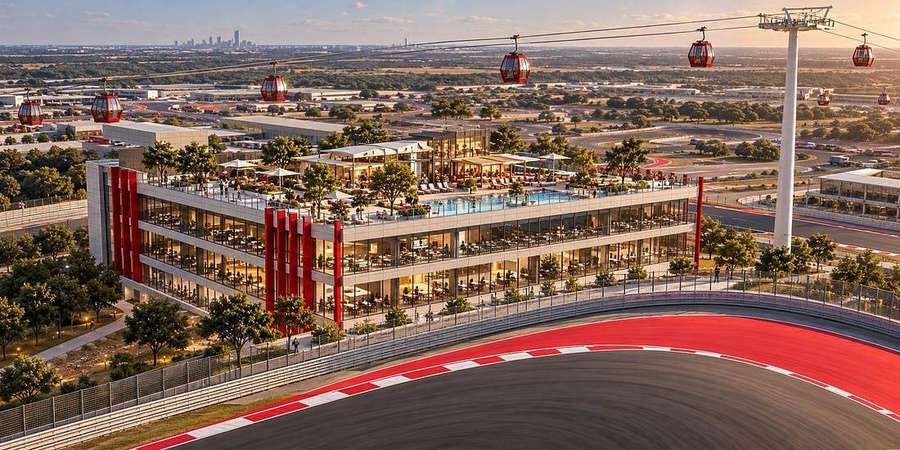
The four-story building on top of Turn 1 at Circuit of the Americas is the clubhouse for The Circuit, a private members club opening January 1, 2027. Up to 300 members get a minimum of 250 dedicated track days a year on the Grand Prix circuit, at a reported $500K to $1M to join. The schools, clubs and weekend racers who have rented the track since 2012 get a hallway goodbye. The clubhouse doubles as an expanded Formula 1 Paddock Club on race weekend and connects to the pits by a members-only gondola. Bobby Epstein, the former bond trader who bought the land in the mid-2000s, founded COTA in 2011 and still chairs it, says he wants the track to be to racing what Augusta National is to golf. Fans noticed the building because it changed the most photographed corner in American motorsport. The bigger change is the business model: a venue that rented its track by the day is converting to recurring membership revenue, and the stakeholders are Formula 1, COTA and its lenders, the members, the club racing community, ordinary fans, and the state of Texas, which has paid for the race every year since 2015.
 AI-generated, based on COTA’s published renderings of The Circuit clubhouse. Not a photograph.
FORMULA 1
Contract negotiation put this building where it is. Epstein told BlackBook Motorsport in October 2026 that Formula 1 wanted a bigger Paddock Club and that the Turn 1 building was part of the negotiation that extended the race to 2034. Parris Mullins, COTA’s senior vice president of motorsports and the executive running the club launch, told Motorsport.com on October 25, 2026 that a lot of the renewal depended on it. The structure fans blame on COTA was partly a Formula 1 demand.
Formula 1’s model squeezes more premium hospitality from every circuit, and a promoter that wants a long contract pays that toll.
The money flows one direction. COTA pays Formula 1 a hosting fee, estimated by KXAN at about $30M a year and reported by the Austin American-Statesman, via Jalopnik, to climb 10% annually, and Texas reimburses most of it. COTA keeps grandstand and general admission tickets, parking, concessions, concerts and its own hospitality suites. Formula 1 keeps broadcast, trackside advertising and the Paddock Club, which it runs itself; three-day packages at Austin start around $9K a seat per Yahoo Sports and climb from there for team-branded suites. So the Turn 1 building is F1’s hospitality revenue housed in COTA’s clubhouse, paid for by COTA, used by COTA’s members the rest of the year. One structure, two businesses. The view from Turn 1 was never on Formula 1’s balance sheet. The Paddock Club invoice is, and Formula 1 collects it.
Drivers are split too. Lewis Hamilton told ESPN after qualifying that the building is incredible, the gondola phenomenal, COTA one of the best overall circuits on the calendar, and that it is easy for people to be negative about everything. He has a long relationship with the venue through his Mission 44 charity.
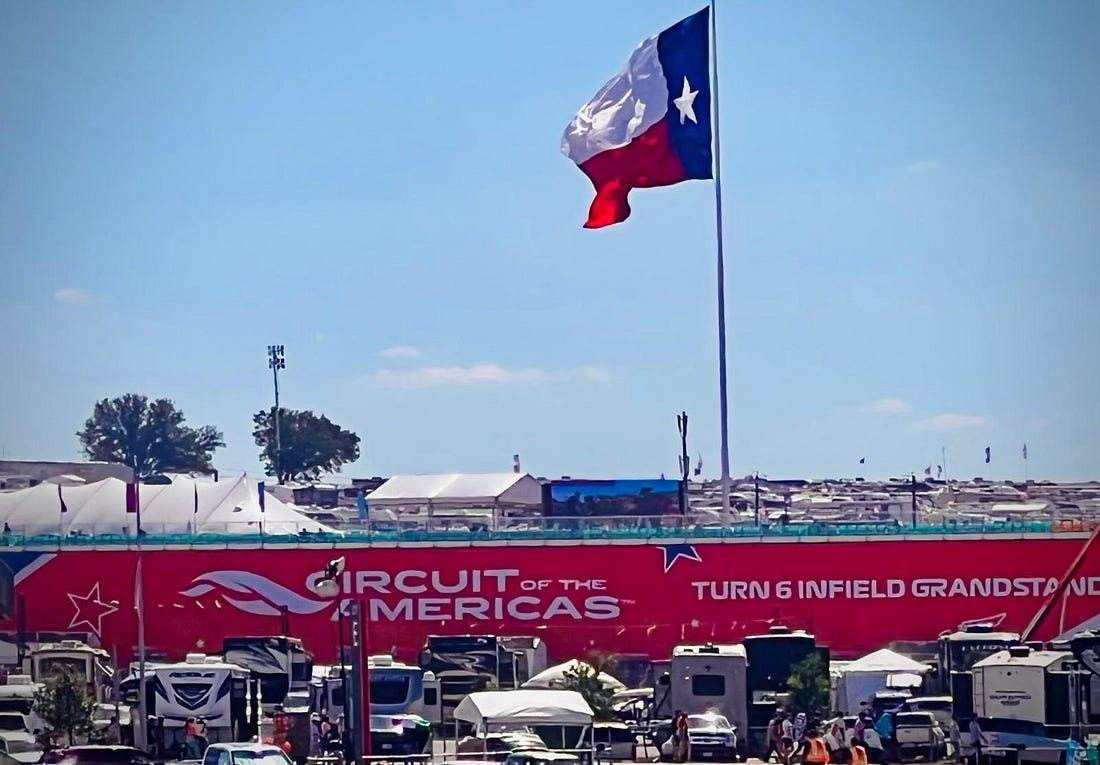 Photo: Experiences XO
COTA AND ITS LENDERS
Revenue predictability is the argument for the club. Epstein called track rental running on a hamster wheel looking for the next tenant and told BlackBook a membership model is more sustaining. His scarcity case, via Grassroots Motorsports citing The Athletic: nobody is about to spend $400M building a race track for a private driving club. The clubhouse, by Dallas architects Premier per Motorsport.com’s Latin America edition, was permitted at about $14M with viewing suites, a restaurant and a rooftop pool deck, built December 2025 to October 2026, per Hoodline.
Borrowed money pays for the rest. In August 2026 COTA partnered with Carlyle’s Global Credit platform, which COTA’s counsel Sidley Austin describes as capital for COTALAND, the 30-acre theme park that opened September 26, 2026, a water park and eventually a resort, which BlackBook puts at $985M with a 1,000-room hotel and a 170K- square-foot convention center.
The math explains the urgency. If 300 members pay the reported $500K to $1M each, COTA collects $150M to $300M up front, roughly the same as the $296M Texas paid for the race over a decade, and ten to twenty times the $14M clubhouse cost, before a single lap. Annual dues at the Rennlist estimate of $80K would add about $24M a year, close to what the state reimbursement pays in a typical season and arriving whether or not anyone races. Those are unconfirmed figures, but the shape is the point: cash now, cash every year, none of it dependent on a race contract or a legislature. COTA has lived with that dependency before. In 2015 Texas cut its reimbursement by about $5M and Epstein told the Austin American-Statesman, per Fox News, “I think we’re screwed,” while Jalopnik reported the circuit had missed its F1 hosting-fee deadline. A membership base that writes checks regardless of what Austin or London decides is the insurance policy against that year happening again. Formula E joins NASCAR, MotoGP and the World Endurance Championship on the calendar in 2027. A grandstand earns on four weekends a year. A clubhouse full of people who paid $1M to be there earns every morning, and Carlyle gets paid first.
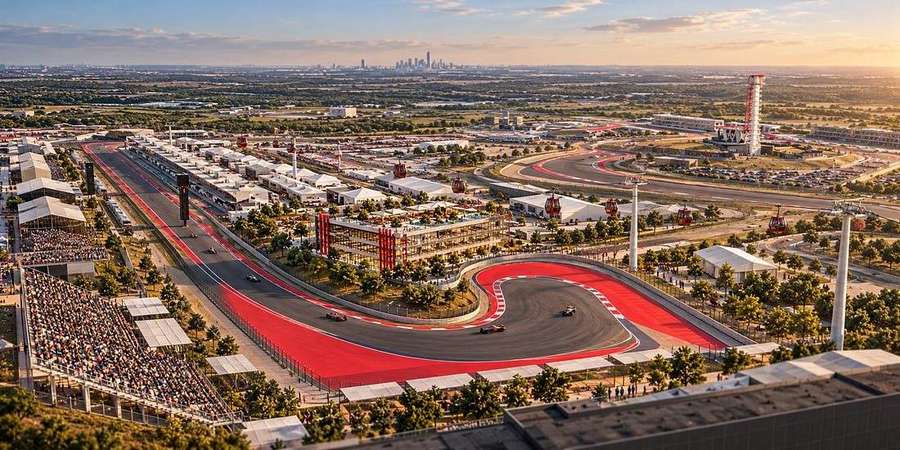
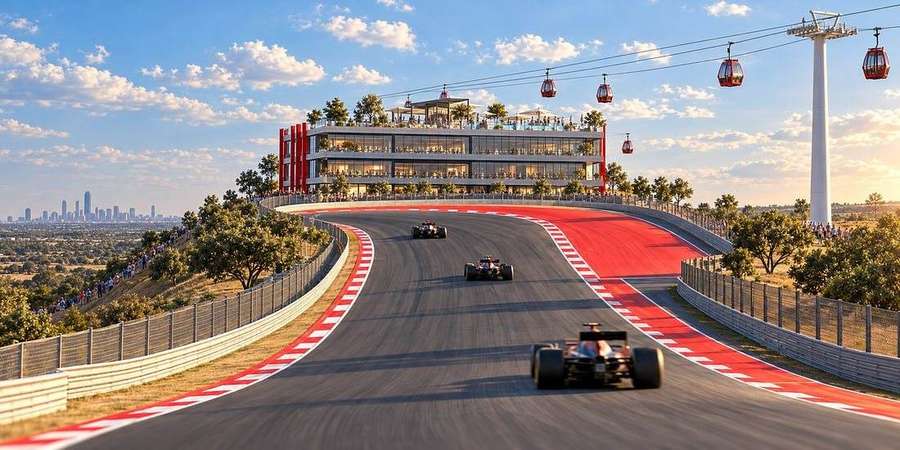 AI-generated, based on COTA’s published renderings of The Circuit clubhouse. Not a photograph.
THE MEMBERS
The buyer already owns the car and has nowhere to use it: a Porsche GT3, a McLaren, a retired race car in a trailer, built for 150 mph and living at 35. Public track days mean 40 strangers of mixed skill, a 7 a.m. drivers’ meeting and lunch from a cooler. A club swaps that for a garage, instructors, a terrace and a track open whenever the member wants. That is what the 250 days are for. The number is supply, not a quota. COTA has published no per-member limit, and Epstein’s framing to The Athletic, per Grassroots, is high price up front and low cost per day, which only works if members drive often. Autobahn Country Club near Chicago, the oldest motorsport country club in the country, gives members unlimited access six days a week in season; COTA’s circuit will have at most 300 people sharing it.
Coaching machinery already exists, even if the brochure doesn’t say so. COTA runs its own Driving Experience, open to the public through 2026, with track-prepped cars, hot laps and own-car sessions run, per its terms, under professional instructors. KXAN paid about $1.8K for two hours of alternating 15-minute stints. Audi moved its U.S. Driving Experience to COTA from Sonoma, per Kelley Blue Book, and Rennlist posters say manufacturer programs and filming days stay on the 2027 calendar. What COTA has not said: whether lessons are in the dues or billed per session, whether there is a club fleet, garage storage, a guest policy, or member racing like Autobahn’s Spec Miata and Radical series. Anyone wiring $1M asks all of that first, and so far the answers exist only in a sales deck COTA won’t release.
The third buyer may barely drive. Fifty of the 300 seats are for corporate and international members, and the clubhouse has executive conference rooms, two pools and a gondola into the paddock on race weekend. For a company entertaining clients, a day in a car with a pro at the only F1 circuit in the country, then lunch on the roof, is the product. For the individual, the product is scarcity: the track where Hamilton won six times, and from January 2027 one of 300 people can drive it. Epstein’s Augusta line fits. Most Augusta members don’t play 250 rounds either.
Demand is ahead of pricing. Mullins told Motorsport.com about 600 people inquired before race weekend, COTA held one-on-one talks with roughly 140, 50 more submissions arrived in 24 hours, and deposits and contracts are being signed. The cap is 300: 250 North American, 50 international and corporate. Performance Racing Industry listed the package in October 2025: 250 dedicated track days minimum, two rooftop pools, a fitness center, race and golf simulators, conference rooms, dining, skip-the-line passes at COTALAND, a members’ box at the Germania Insurance Amphitheater and Grand Prix hospitality. Sports Illustrated carried the renderings.
Pricing is unpublished but the structure is clear. Mullins told Motorsport.com the initiation fee is a one-time payment that essentially buys a lifetime membership, with annual dues for facilities and staff, and Grassroots reports the seat can be sold on. Epstein says it will probably be the most expensive motorsport club in the world. Modern Luxury reported in June 2026 that privileges start at $1M; Rennlist members put the buy-in at $500K to $1M plus about $80K a year, and FerrariChat and Track Mustangs Online posters say $1M flat. COTA has not confirmed any of it. The benchmark is the Thermal Club in California at $175K to join and $2.4K a month. If the reports hold, COTA is pricing at three to six times Thermal, with an F1 circuit and a resale right as the justification.
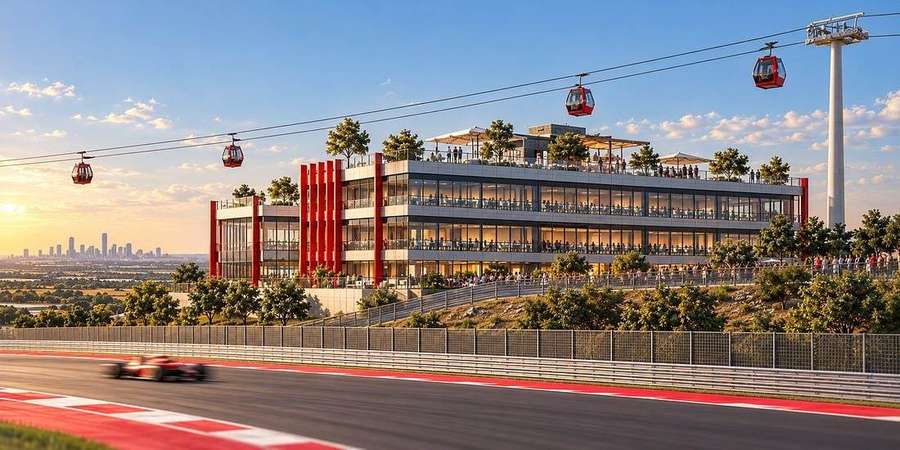 AI-generated, based on COTA’s published renderings of The Circuit clubhouse. Not a photograph.
CLUB RACERS AND TRACK-DAY DRIVERS
Access is what they lose, and COTA said so plainly. Dave Johnson, who runs the RideSmart motorcycle school and the Central Motorcycle Roadracing Association, told Roadracing World in January 2026 that executives said, “we will give you dates for 2026. For 2027, everyone is done.” COTA didn’t respond to the magazine. Performance Racing Industry has the official version: from 2027 the track is limited to members, select races and special events. Porsche Club of America members on Rennlist expect their 2026 club race to be the last; the BMW crowd on Bimmerpost sounds the same.
Mullins told Motorsport.com COTA knows it is displacing partners it has had since 2012, and the answer is a second track: a shorter FIA Grade 3 circuit for cars and motorcycles north of the Grand Prix layout, with a banked corner and a chicane, built for track-day cars and priced much lower. The layout is defined, the city process isn’t finished, and Mullins gave no date. Brad Epstein, who runs COTA’s T11 car-condo community, told Modern Luxury “potentially 2028.” That leaves the people who filled COTA’s calendar for thirteen years with a promise, no date, and at least one season of watching the gondola from the parking lot.
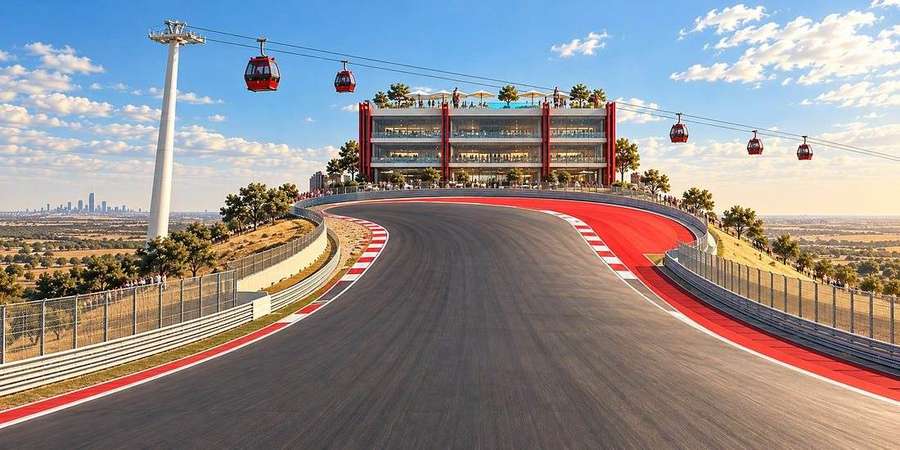 AI-generated, based on COTA’s published renderings of The Circuit clubhouse. Not a photograph.
THE FANS
Sightlines are the visible cost, and fans are less united than the Substack complaints suggest. In an r/formula1 thread from August 2026 the top comment, near 1K upvotes, mourned an iconic view ruined for money; the second, near 750, asked whether a view of nothing was ever iconic, and a reply calling the building an improvement drew more than 200. A later thread compared the finished building to a parking garage. One commenter argued the premise is wrong: Turn 1 had no seating and no close spectator access, the TV camera sits in a cherry picker, and the only people whose day changes now sit in shade and air conditioning. ESPN confirms the main grandstand didn’t move. The same commenter said a circuit collecting state subsidies should build real bathrooms, permanent seating and shade over grandstands it charges thousands for, because the place is miserable above 92°F (33°C).
That is the fan argument with teeth. The hill is a photograph; the infrastructure gap is a product problem, and two rooftop pools above general admission fans queuing for portable toilets in 95-degree heat is the priority list, written in concrete. The race drew up to 440K people this year, and COTA still calls it the people’s race. What changes is who the circuit’s most valuable customer is on the other 361 days, and the building makes that visible from every grandstand.
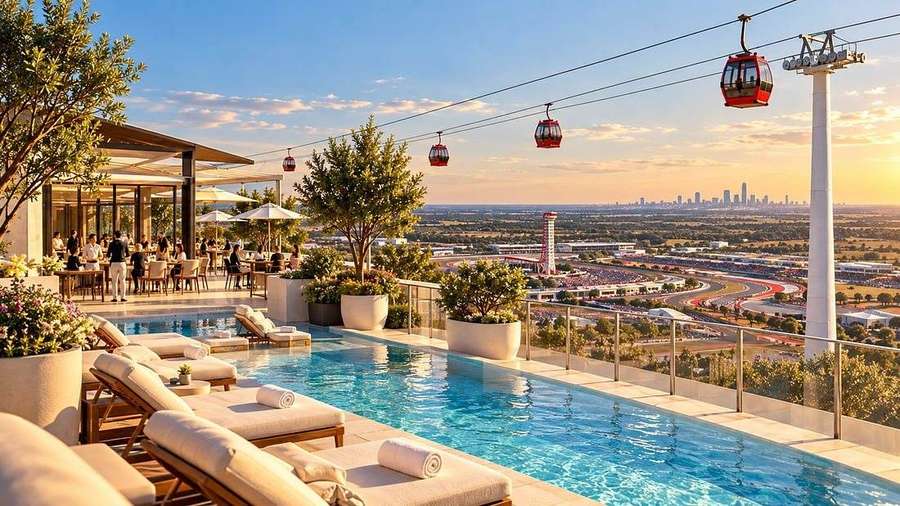 AI-generated, based on COTA’s published renderings of The Circuit clubhouse. Not a photograph.
THE STATE OF TEXAS
Public money complicates the private-venue argument, and the state’s ledger puts a number on it. The race is one of the few events named in Texas law as eligible for the Major Events Reimbursement Program, reaffirmed by Senate Bill 2325 in 2023. The Governor’s Office award register of September 30, 2026 shows $41M paid for the 2025 race and $296M across the nine F1 payments from 2015 through 2025; with MotoGP and NASCAR weekends, COTA’s events have drawn about $379M. Those totals include the local share; the state’s 2021 report splits that year as $30.6M state and $4.9M local. The program reimburses event costs from tax revenue the event is estimated to generate, which supporters call self-funding and critics like Texas Scorecard call a corporate giveaway. Formula 1 says the 2023 race generated more than $1B in spending and $38M in state tax; those are promoter estimates, and the state’s own 2021 review found the data could not reliably establish the race’s economic impact.
None of that money built the clubhouse, and the program requires no public track access. But a race underwritten at $41M a year is what gives this club its prestige, and the venue is now reserving the track those payments made famous for a few hundred members. The next time a Texas legislator signs off on $41M for this race, the first question should be who is allowed on the track the other 361 days. The second track, if it is built at a grassroots price, is COTA’s only answer, and today it is a layout on paper and a “potentially 2028.”
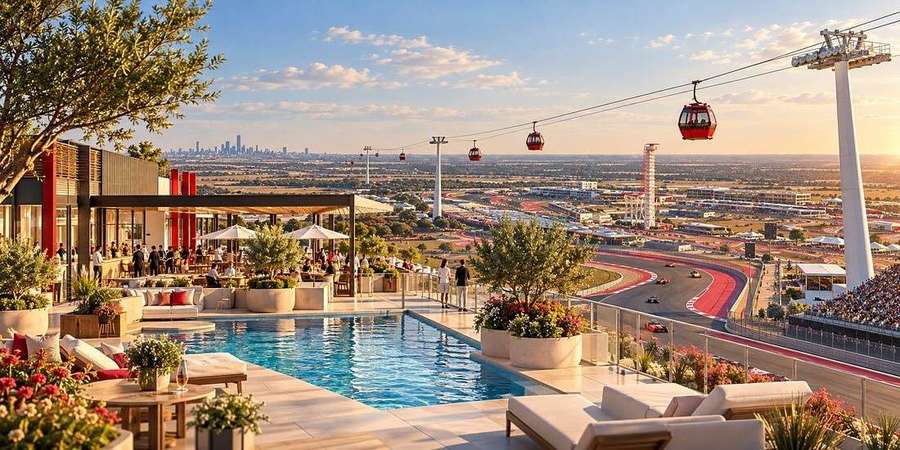 AI-generated, based on COTA’s published renderings of The Circuit clubhouse. Not a photograph.
LESSONS LEARNED
Recurring revenue beats rental revenue, and every lender knows it. Membership trades volume for predictability, the logic behind golf clubs, airline lounges and software subscriptions, and exactly what a credit partner like Carlyle wants to see. The question is whether the asset is scarce enough to carry the price. Epstein’s answer is that nobody will spend $400M to compete, which is another way of saying the first 300 buyers are purchasing a monopoly and betting it appreciates.
Stakeholder mapping decides outcomes at the table, and COTA mapped Formula 1 correctly. The Paddock Club expansion fans dislike helped secure the race through 2034. Give the biggest counterparty what it wants in a form that serves your own strategy, and long contracts get signed.
Hidden costs land on the stakeholders with the least leverage, and the fix should ship with the change. Club racers had no seat in the talks and got “for 2027, everyone is done” in a hallway. The second track is the right remedy, but it arrived a year later with “potentially 2028” attached, turning a manageable transition into a year of resentment and a season with nowhere to go.
Customer segments compare themselves to each other. A premium tier is fine until the base tier can see it from a portable toilet in the heat. Upgrade the floor when you add the top, or the top becomes the story.
Public funding carries reputational obligations even without legal ones. COTA may privatize its calendar. Texas has paid $296M for this race because lawmakers believed it serves the public, and narrowing public use invites a harder look, especially when the state’s own review says the benefit can’t be measured.
Demand signals arrive before price discovery, and 600 inquiries against 300 seats is as strong as they come. The first published number sets the category; if it lands near the reports, every Grade 1 circuit will be running the same spreadsheet by spring.