Do You Want to Work in F1? Part 1The Jobs You Never See on TV
Cadillac, the new GM-backed team, hired 520 people in 2025. Student, career changer or no degree and no experience: a door exists for each of you. Here is the map.
Listen to this article 14 min, narrated
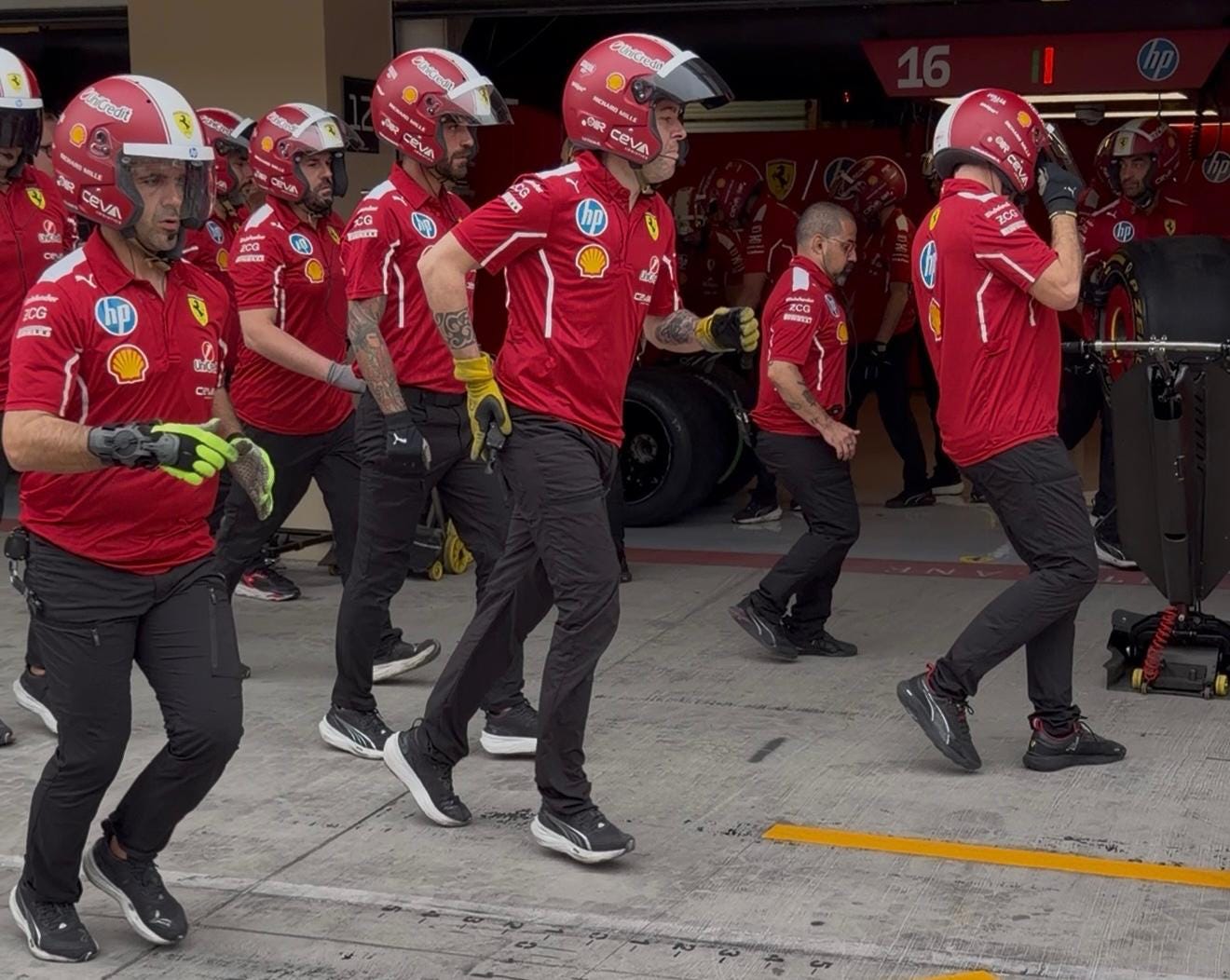
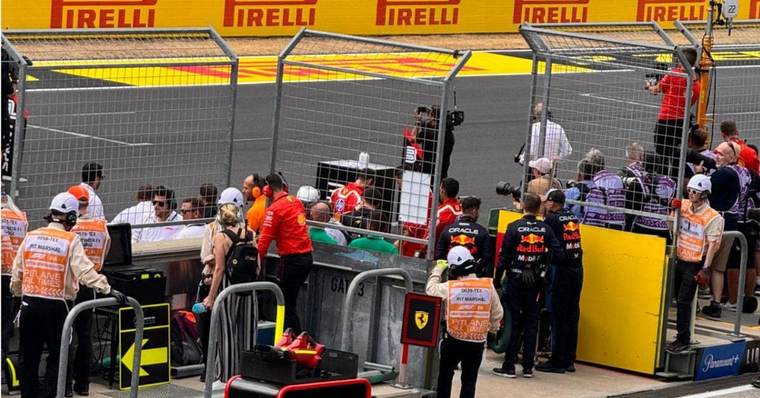
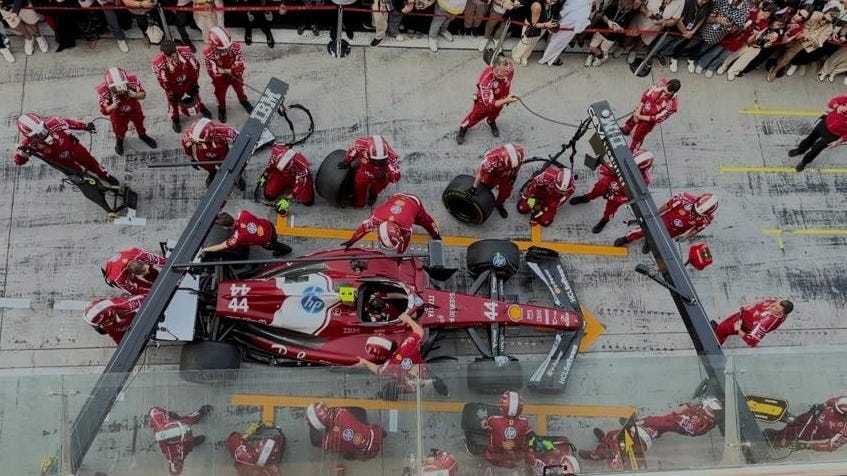 Ferrari pit stop practice at Yas Marina Circuit, Abu Dhabi, December 7, 2025. Photo: PaddockPass.
You have a dream. You watched a race, or a season of Drive to Survive, and at some point you stopped wanting to watch the team and started wanting to be on it. You want the garage, the pit wall, the factory where the car gets built or the desk where the sponsor deal gets signed.
Maybe you are a student, with a degree ahead of you or just behind you, and you want your first job to be this one. Maybe you already have a career in law, finance, software, marketing or logistics, and you wonder whether a team would ever want what you do. Maybe you have no degree and no experience, and you assume the door is closed to you.
Each of you has a gate. The student has placements, graduate programs and a university competition that teams recruit from. The career changer has the departments that buy an outside trade, from finance to partnerships. The reader with no degree has apprenticeships, supplier shops, buying roles and the garage itself, where mechanics need no specific qualifications. This series walks through each gate, with names, dates and deadlines, and each part marks which gate is yours. This is Part 1 of 4, and it covers what teams hire.
You are not alone in the dream. Cadillac advertised 595 positions for its new team and received 143,265 applications. It interviewed about 6.5K people and hired 520 by the end of 2025, per Graeme Lowdon, then Cadillac's team principal. That is about 275 applications for each hire, by our arithmetic.
At Williams, the odds are no kinder. James Vowles, the team principal, said in September 2024 that the team receives 10K CVs and that applicants need to rank among the best in their class. He also described a mistake he keeps finding in that pile. Some people apply to Williams with a cover letter that says they would like to apply to Red Bull. The likely explanation is one letter, written for one team and sent to several, with the wrong team's name left in. Those letters did stand out among 10K CVs, for the wrong reason. Dan Fallows, now Racing Bulls' technical director, wrote in Why Work in F1? that a technical role draws 400 to 500 relevant candidates, against about 20 when he started as a graduate aerodynamicist. The bigger and more successful the team, he adds, the lower the starting salary, because the cost cap limits pay and teams know applicants will come anyway. The better the team, the more of the salary arrives as prestige. The cost cap is $215M for 2026, and the salaries of engineers, mechanics and factory staff sit inside it, so every raise competes with the car. Driver pay and the three highest-paid people at each team sit outside it.
Do not let those numbers stop you. The odds are long because so many people apply, and the teams still need people and keep hiring them. Cadillac filled 520 jobs by the end of 2025. At Williams, 10% of the workforce is in Early Careers, the team's name for its apprentices, placement students and graduates. Cadillac said in early 2026 that it planned to grow past 1K people, and Lowdon said that May that the bulk of its recruitment from that point would be in the U.S.
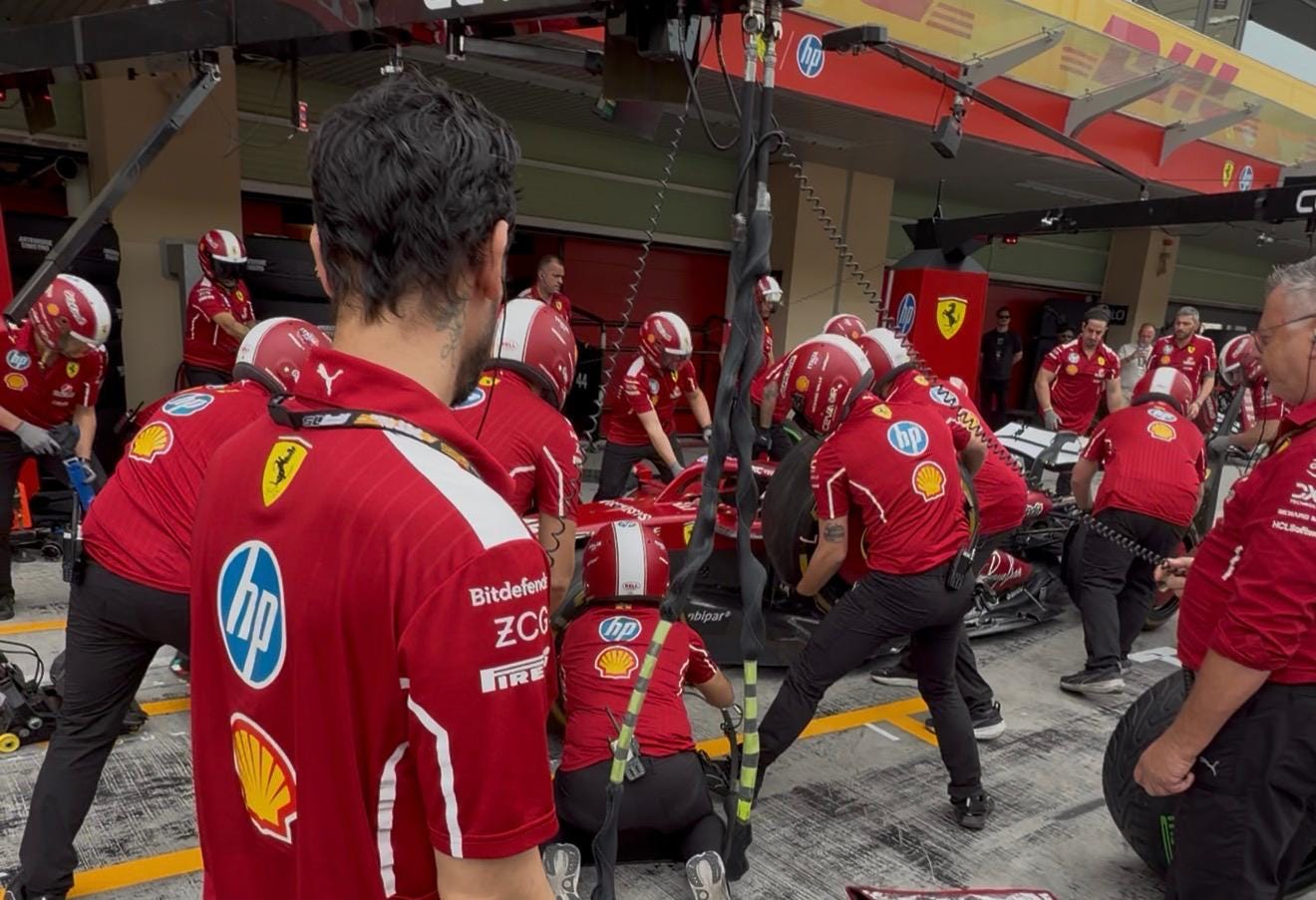 Ferrari pit stop practice. Photo: PaddockPass.
We attended 19 Grands Prix between 2022 and 2025 and spent whole days in the paddock, and the paddock shows only the part of a team that travels. The FIA caps each team at 60 people working on the cars at the circuit, and hospitality, marketing and media staff travel on top of that. Roughly 5% to 15% of a team goes to a race, by our approximation, depending on the team's size. The question for this series is how a person gets a job in Formula 1 and what life is like once they do.
FOUR PEOPLE WHO GOT THROUGH
None of them started as a driver's engineer. Julien Simon-Chautemps, who became Kimi Räikkönen's race engineer, told Fluid Jobs that his first job was cleaning the wheels of the team truck and that it took about 10 years to reach an F1 race engineer seat. Peter Bonnington, now Mercedes' head of race engineering, joined Jordan in 2004 as a data engineer. He stayed in the same Brackley factory for 20 years while it passed from Honda to Brawn to Mercedes.
Mary Aldersley started in F1 in Schools, a program that promotes STEM careers for ages 9 to 19, and became a McLaren operations graduate in race team logistics. Charlotte Jennings, a Queen's University Belfast Politics and International Relations student, spent a placement year buying engine parts at Mercedes. Afterward she received job offers from every team except Ferrari and Red Bull. Not bad for a Politics student who spent the year buying engine parts.
THE JOBS BEHIND THEM
Formula 1 has three kinds of employers. The 11 teams build and race the cars, and some also build engines, such as Mercedes High Performance Powertrains, at about 1K employees. The FIA, the sport's governing body, writes the rules and supplies the race director and the stewards. Formula 1, the commercial company owned by Liberty Media, sells the TV rights and runs the events. Inside a team, the jobs split like this.
ENGINEERS (student lane). Aerodynamics, vehicle dynamics, design, performance and race engineering sit here. Autosport's careers guide sets a good engineering degree as the minimum, with a master's or PhD as a help, and a graduate aerodynamicist earns $42K to $54K by posted and self-reported figures, per F1 Brain Drain. Andrew Shovlin, Mercedes' trackside engineering director, points out that a team of more than 1K people has just two race engineers, one for each car. The pit wall has fewer chairs than the dream suggests.
FACTORY PRODUCTION (no degree needed). The author of the Substack Ghost Lap, who writes under the pen name David Whitmore and says his F1 career spans over 15 years of making F1 cars, lists the factory roles as CNC machinists, composite technicians, quality inspectors, stores operatives, materials controllers, production schedulers and technical buyers. He says permanent staff in composites, machining and quality can earn about $80K to $94K or more including shift allowance, with no one to manage. Mercedes' engine division advertised apprenticeships at $28K for a 42.5-hour week in late 2025, per Brain Drain. Machinists do not travel to races.
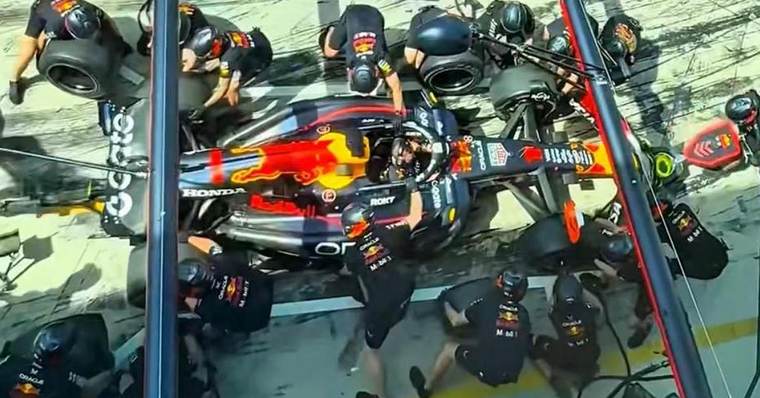
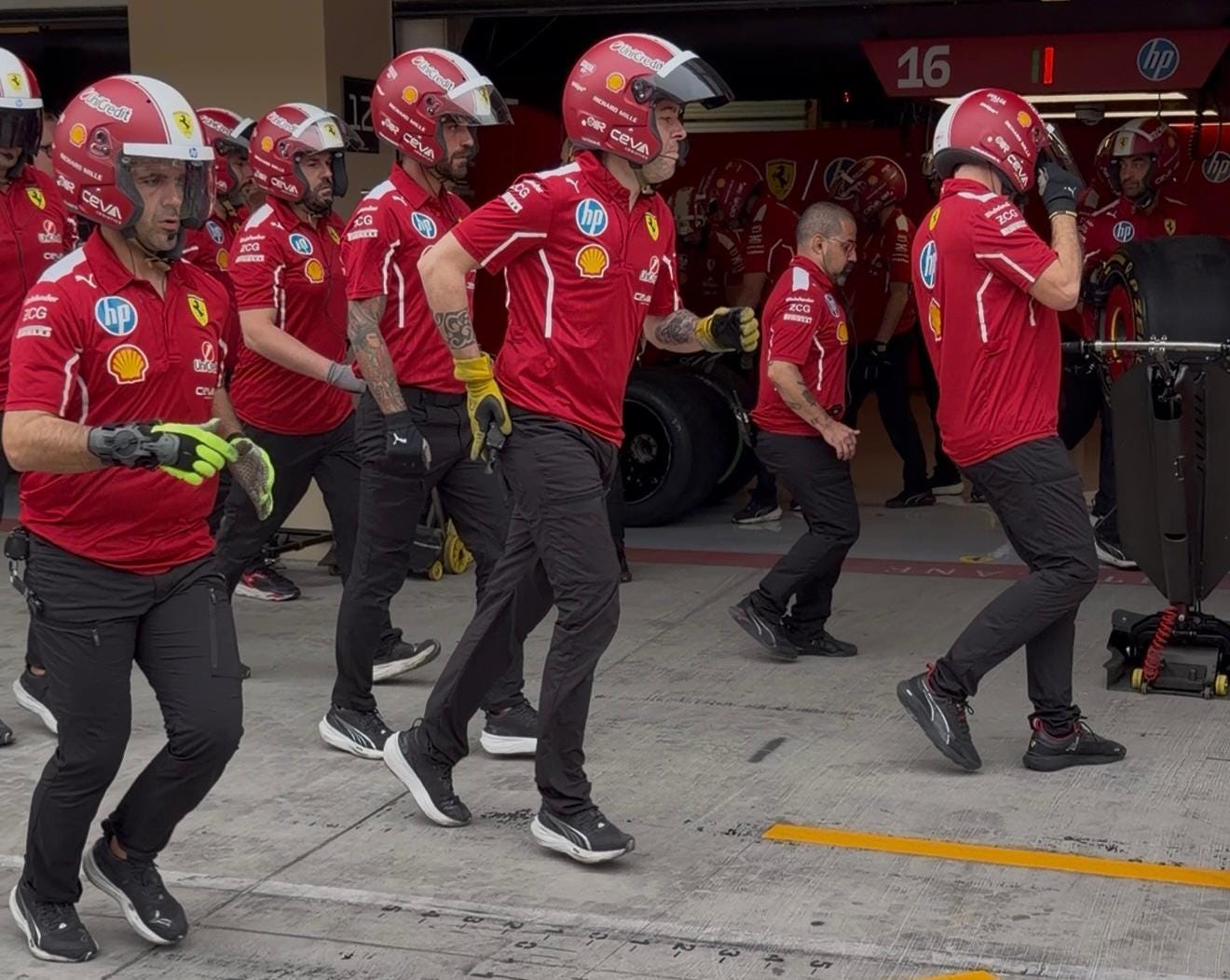 Ferrari pit stop practice. Photo: PaddockPass.
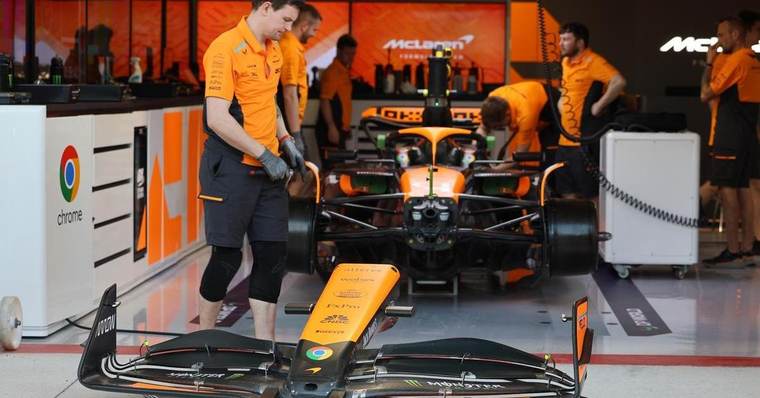
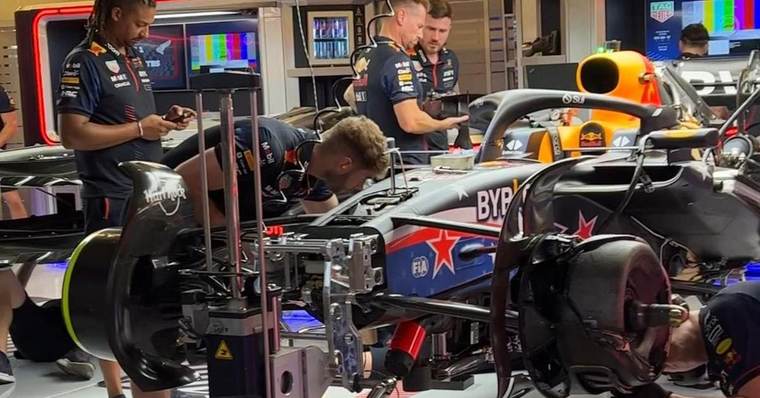
MECHANICS AND TECHNICIANS (no degree needed). Autosport's guide says mechanics need no specific qualifications and may have to work for free at lower levels of racing first. Those levels include the junior formulas, such as Formula 2, Formula 3 and Formula 4, and sports car racing, such as the World Endurance Championship and the DTM in Germany. Aston Martin's own description of a garage crew lists a No. 1 mechanic, front-end and rear-end mechanics, an engine-kitter, a floating mechanic and a gearbox technician, with a chief mechanic over both cars, and says some of its crew joined as apprentices. Calum Nicholas, then Red Bull's senior power unit assembly technician, said in February 2025 that the basics are reading engineering drawings and understanding complicated business systems, and that soft skills carry a garage.
BUYING, SOFTWARE, BUSINESS AND SUPPORT (career changer lane; buying needs no degree). Autosport's guide says buyers need no specific qualifications, which makes buying a way in without university. Williams created a chief information officer seat in June 2026 and filled it with James Smith, who spent a decade across Google, DeepMind and Human Native AI. Aston Martin listed 17 openings at Silverstone in late 2026, including a finance business partner, an assembly technician and a CAD CAM programmer. McLaren has a head of physiotherapy and human performance, a title Emer Acton held in our Mexico City report, and a former Mercedes lawyer is among the staff Forbes quoted in 2025, per Brain Drain. Marketing, HR, finance and legal costs sit outside the cost cap, which in our reading means pay in those departments does not compete with the car budget.
COMMERCIAL AND PARTNERSHIPS (career changer lane). Tessa, who writes the Substack Motorsport Notes and works in motorsport partnerships, calls the partnerships manager the role she gets asked about more than any other, in her August 2026 breakdown. Her map of motorsport departments lists technical and engineering, commercial and partnerships, marketing and communications, content and social, events and hospitality, business operations, and driver management and talent.
THE DEGREE QUESTION
Whitmore wrote in late 2026 that aerodynamics, simulation, structural analysis and some design roles usually expect a degree, while composites, machining, assembly, inspection and stores do not. He puts engineering student loans in England at about $67K or more over a three-year degree and recommends Formula Student, the university engineering competition. See his post, Do You Really Need a Degree to Work in Formula One?.
LESSONS LEARNED
- All of you: choose a department before you choose "F1." The jobs run from machinist to lawyer to partnerships manager to logistics coordinator, and each has its own entry route.
- Student: expect a long climb. Simon-Chautemps needed about 10 years and Bonnington stayed 20 in one factory. Jennings' placement year at Mercedes brought offers from every team except Ferrari and Red Bull.
- Career changer: find the department that buys your trade, whether finance, software, legal or partnerships, and apply to that department by name.
- No degree, no experience: composites, machining, assembly, inspection, stores and buying do not ask for one, per Whitmore and Autosport, and the loan bill for the engineering route is large.
- All of you: proofread. At 10K CVs, one wrong team name is enough to lose a place. Williams is spelled W-I-L-L-I-A-M-S.
Cadillac hired 520 people from 143K applications, and it said in early 2026 that it planned to grow past 1K. Part 2 shows where the people who get in actually start. Which kind of F1 job would you apply for first?
Next in this series: Part 2, how people get in, from supplier shops and staffing firms to apprenticeships and placements.