F1 Brain Drain: Engineers Paid in Prestige, Bill Arrives at Year 6
The drain is real, narrow and self-inflicted. F1 engineers start on $42K and leave for hedge funds and AI labs once the cost cap catches up with their PhD.
Listen to this article 15 min, narrated
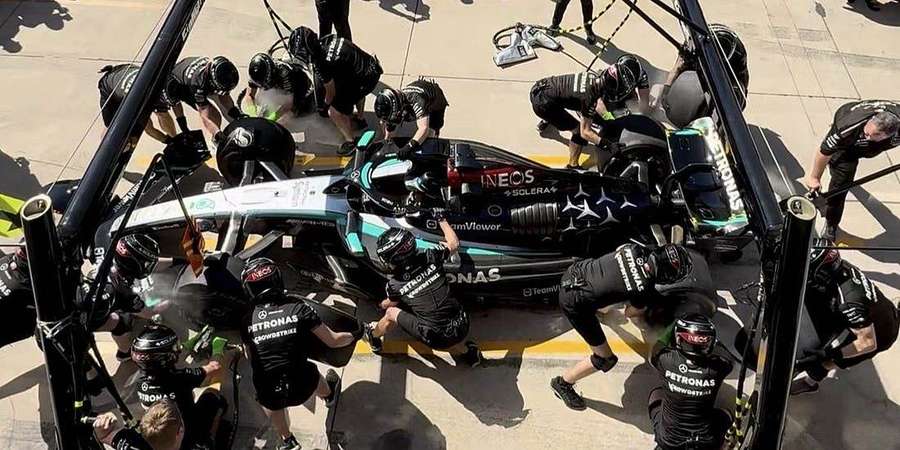
THE QUESTION THE PADDOCK ANSWERS WITH A SHRUG
Formula 1 has never had more money, more viewers, or more applicants per vacancy. It has also never been easier for a good aerodynamicist to double her salary by leaving. Both statements are true in October 2026, and together they describe a sport whose reputation as the summit of engineering now carries a footnote: the summit for a few years, before you go somewhere that pays. We wanted to test that against evidence rather than paddock gossip, so we read the places where F1 staff talk when the communications department is not listening: Glassdoor, Reddit, LinkedIn, the F1 Substack ecosystem, the Forbes reporting, the FIA’s own press conference transcript, and the job ads themselves.
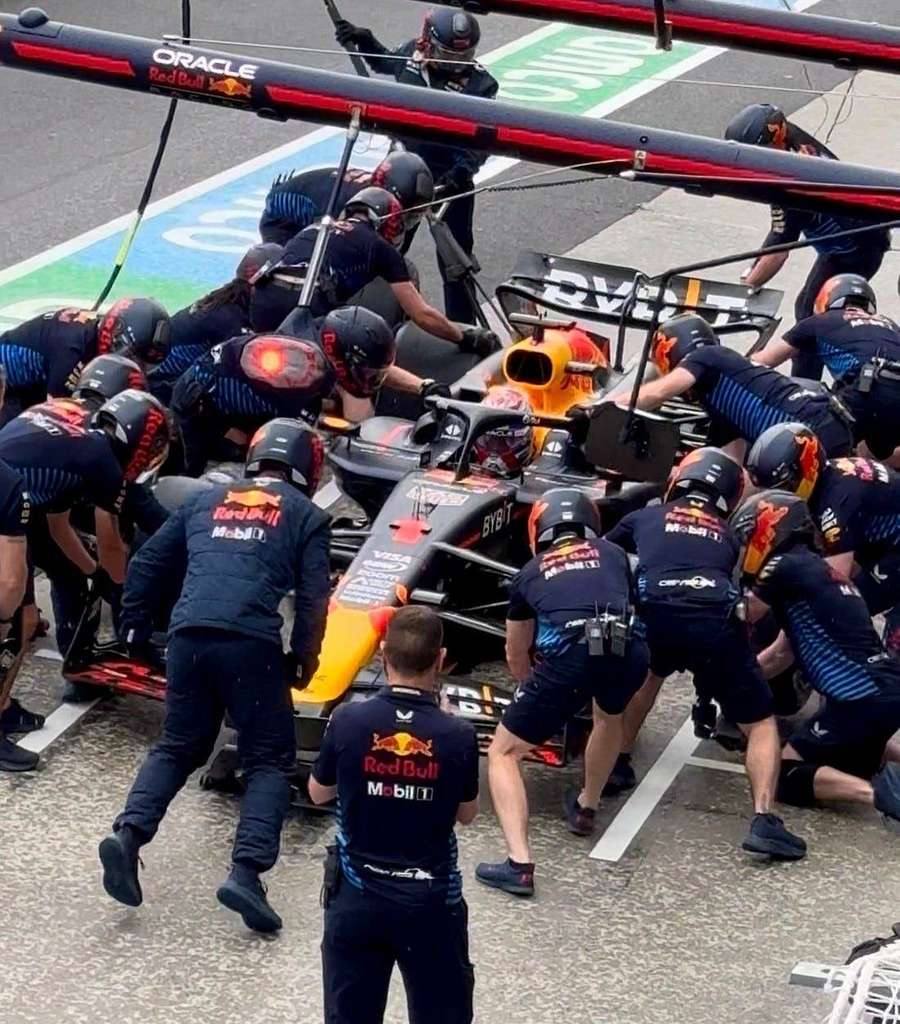
THE PAY, AND WHY THE CAP COMPRESSES IT
The posted and self-reported numbers put a graduate F1 aerodynamicist at $42,000 to $54,000, a mid-career engineer at $60,000 to $94,000 and a senior engineer at $84,000 to $129,000 (pounds converted at about $1.34, the early-November 2026 rate). A London software engineer at a trading firm earns about $235,000 on base alone. A motorsport-wide salary survey by the recruiter Fluid Jobs finds F1 pays 30 to 40 percent above other series and that the UK is the worst-paid motorsport location in the world despite being its center. Where a team posts a number at all it is at the bottom of the ladder: Mercedes’ engine division advertised apprenticeships at $28,000 for a 42.5-hour week in late 2025.
The hours change the arithmetic more than any band. A $67,000 salary over a 40-hour week is about $32 an hour; over the 60-hour weeks the review sites describe in busy periods it is about $21. That is the calculation a five-year engineer runs the first time a recruiter from outside the sport calls.
The mechanism is the cost cap. The 2026 limit of $215 million covers almost every salary in the building apart from the drivers and the three highest-paid staff. Every pound given to a senior aerodynamicist is a pound not spent on a front wing, and in a sport that measures front wings in tenths of a second, the aerodynamicist loses that argument more often than she wins it.
The employers now say this out loud. At the FIA press conference in Singapore on October 9, 2026, Toto Wolff said the cap was suppressing salaries: a team can still get the best graduates in the door on enthusiasm, but after five, six or seven years with a PhD the pay is still depressed against a tech company, a hedge fund or an investment bank. He asked for more room in the cap for salaries, and conceded that smaller teams would not welcome Mercedes having five million more to spend on PhDs. Adrian Newey said in 2024, and again in 2025, that F1 is no longer the best-paid branch of the industry and that a departing Red Bull employee who once went to another team now goes to a technology company. Christian Horner, explaining in 2024 why Red Bull let Jonathan Wheatley go to Audi, was blunter: you can’t have a Galactus because you can’t afford it, and when someone can earn significantly more money elsewhere, the honest answer under the cap is go for it.
And yet the job ads are oversubscribed. Cadillac advertised 595 positions for its new team and received close to 150,000 applications, roughly 250 per vacancy, before it had scored a point.
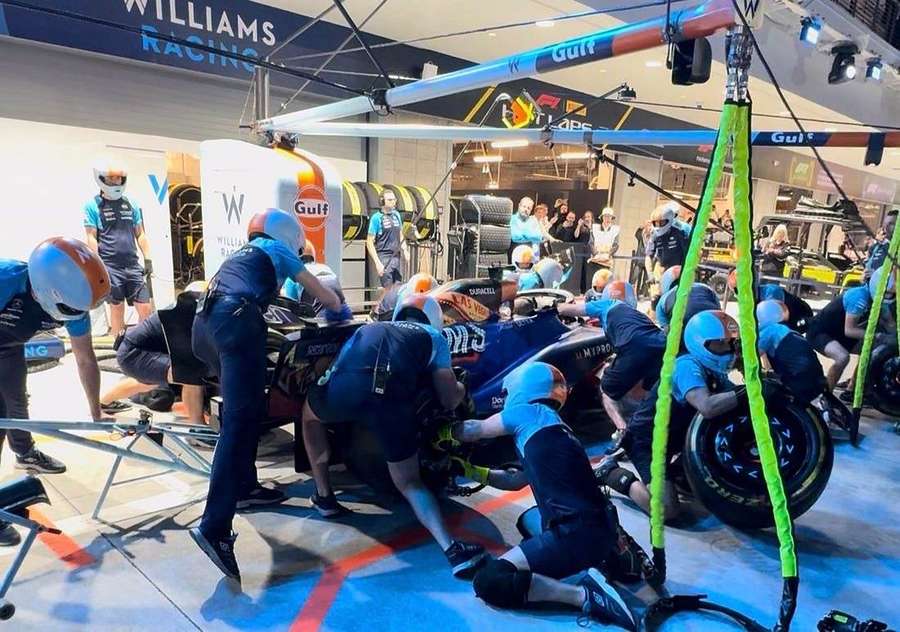
WHAT THE PEOPLE INSIDE SAY
Across every platform the same trade is described in the same words: the work is the most purposeful in engineering, and the hours and the pay are the price of admission. What has changed is the tone. The price is now being questioned by people who used to pay it without comment.
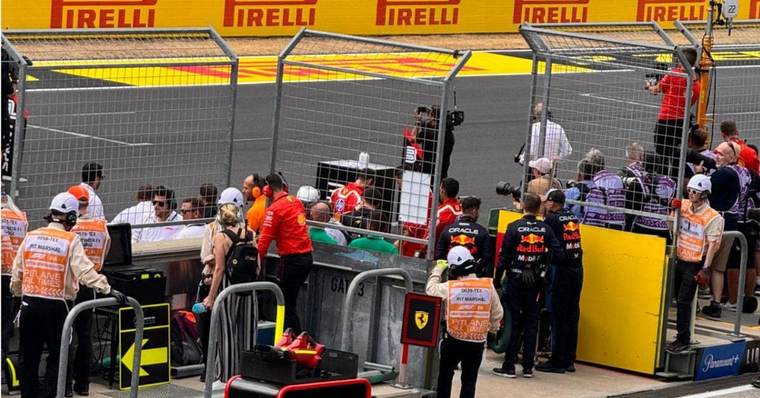
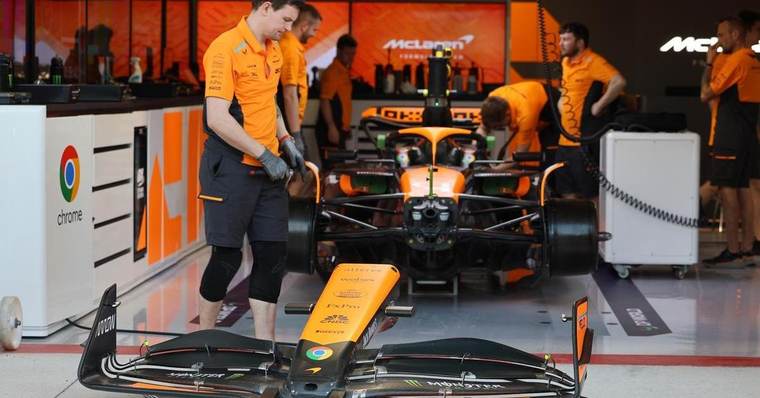
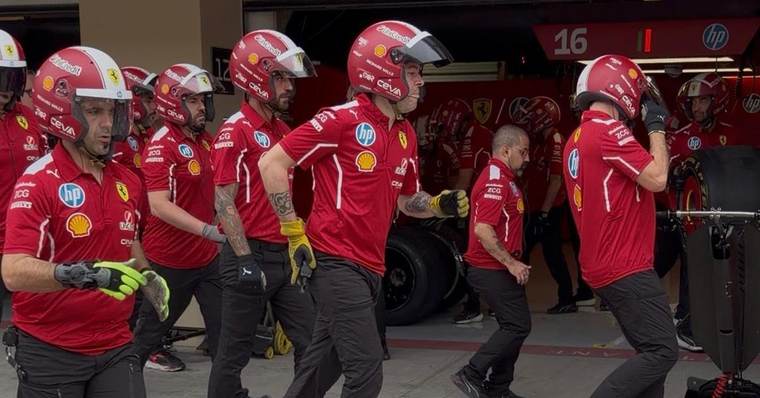
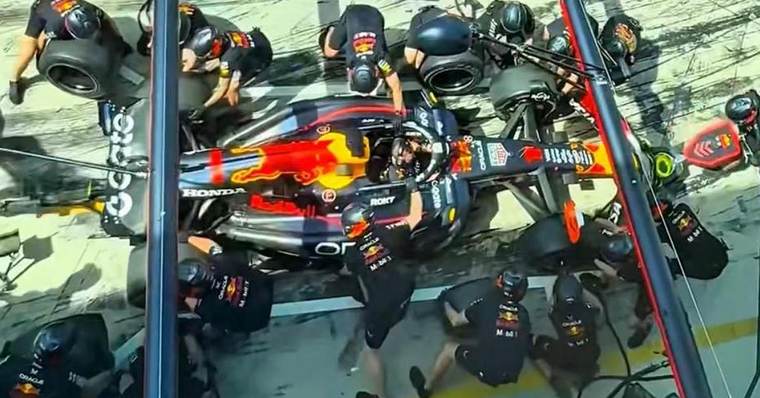
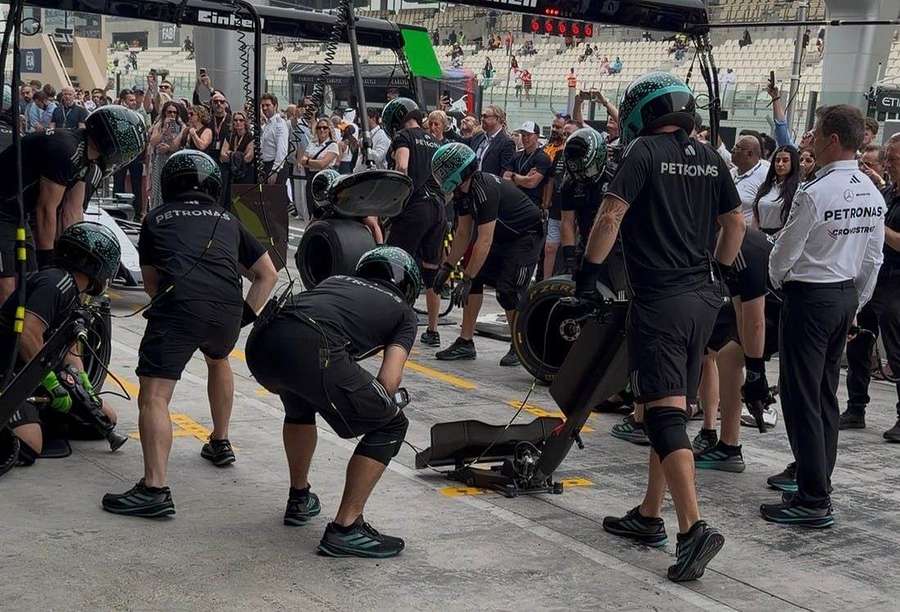
It helps to separate two workforces that the phrase “F1 staff” runs together. The mechanics and technicians are the people the public can see, in the garage and on the pit wall, and their complaint is the calendar: 24 races, 70-hour weeks, twelve-hour days at a circuit, five days off in 85. The engineers, the aerodynamicists and simulation specialists in an office in Brackley or Woking that nobody photographs, are the ones the cost cap squeezes hardest, and their complaint is pay and progression. The two groups share a badge and a building. They are leaving, when they leave, for different reasons.
On Glassdoor, Mercedes scores 2.7 out of 5 for work-life balance, with its culture rating down 15 percent in the twelve months to October 2026, which happen to be the team’s strongest season since 2021. If winning cured fatigue, that line would be moving the other way. At McLaren the most quoted review of the year, from a machine learning engineer in August 2026, is headlined “Dream job with a great team, but low salaries”; women rate the workplace 2.9 against 4.5 from men, and parents 3.0 against 4.0. The samples are small, but they point at an organization built on unbounded hours from people with few obligations outside the building.
The named voices agree. Calum Nicholas, ten years on Red Bull’s pit crew, puts the average technician at about $80,000 for a 70-hour week, flying economy, and, asked whether mechanics are insanely underpaid, said his first salary of $56,000 at 22 felt like winning the lottery because he had no responsibilities at home. Forbes put three current staff on the record in 2025: a Haas junior aerodynamicist who said the job is no longer well paid and that his contract trades a higher base for unpaid overtime, a Sauber performance engineer who said the cap makes people work harder for less, and a former Mercedes lawyer who gave the exit route in one line: if you can earn more in endurance racing and do ten races a year, you do it. Dan Fallows, Red Bull’s former head of aerodynamics, who has run the technical departments at Aston Martin and Racing Bulls, supplies the only baseline anyone has published: teams expect 8 to 12 percent of staff to leave every year, the hardest time to keep people is right after success, and more now leave for other industries because the cap has produced wage stagnation at junior ranks. McLaren trains more than 95 mental health first aiders across its racing operations. A team does not do that for a problem it does not have.
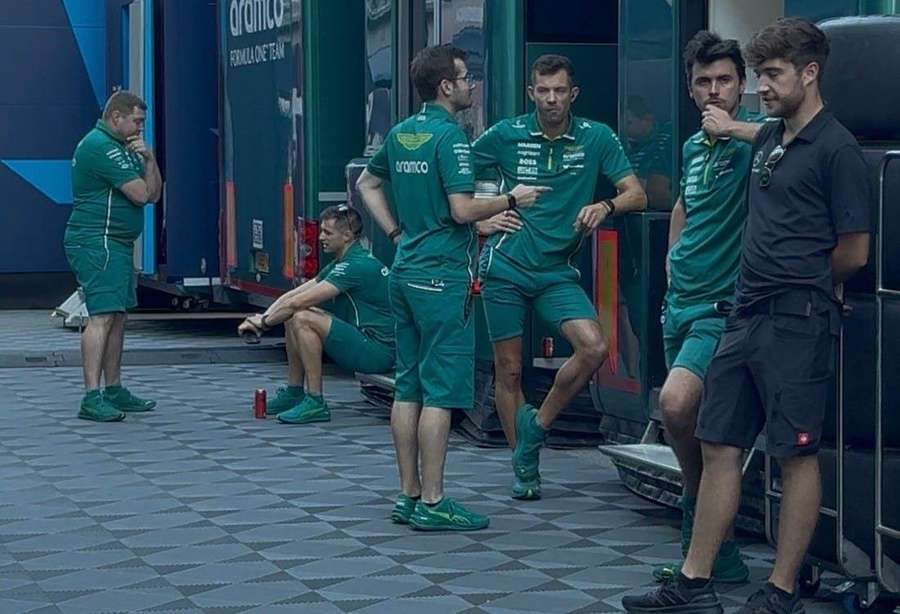
WHERE THE LEAVERS GO
Most of the movement that makes headlines stays inside the sport: Newey to Aston Martin, Rob Marshall to McLaren on an offer Horner called “probably half their cap,” three senior engineers to Cadillac, Gianpiero Lambiase to McLaren from 2028. That is brain circulation, and the eleventh team turned it into a market.
The people who leave entirely sit at two levels. At the top, heads of department leave with the credential doing the work on the next contract: Robin Tuluie from Mercedes’ R&D, by way of Bentley and an engineering consultancy, to found PhysicsX, an AI-for-engineering company; Paddy Lowe to found Zero Petroleum; Geoff Willis to the America’s Cup; Bernie Collins from Aston Martin’s strategy desk to Sky Sports because 23 races had become really difficult and she wanted more of a home-life balance. Fluid Jobs’ survey reports that engineers with F1 experience typically earn 20 to 30 percent more when they move to other series. The quieter leak is in the middle, and one Mercedes review describes it in a clause: a long wait for promotion because people don’t leave. The cap did not just compress salaries. It froze headcount, because teams chose to keep numbers high rather than pay more, which froze the org chart, which means the only way up for a five- year engineer is often out. That is a double squeeze: the cap holds the salary down and the frozen structure blocks the promotion. Fix the pay without fixing the ladder and the leak continues.
THE RULEBOOK DELETES WHAT YOU KNOW
Pay is the reason people give for leaving. The reason that arrives a year earlier is that the problem they were hired to solve gets written out of the regulations. Ground effects were banned for 1983, the double diffuser for 2011, the F-duct after one season, dual-axis steering after one year. Red Bull’s reading of the 2022 underfloor was the deepest body of applied aerodynamic knowledge since the hybrid engine, and the 2026 rules replaced the tunnels with a flatter floor by a vote. The live example arrived this week: the floor body stay Red Bull introduced in June 2026, which let it mold a far sharper sidepod than the radius rules allow, was copied by Audi within months and is now reported to be legislated away for 2027. Invent, copy, delete, in four months. A tech company or an aerospace firm pays an aerodynamicist more, but the deeper draw is that nobody there outlaws your wing the season after it works. What you learn keeps paying for decades. In Formula 1 the compounding is interrupted every cycle by design. The rulebook does not push engineers out. It shortens the half-life of what they know, and a shorter half-life makes the next offer from outside easier to accept.

THE TRAFFIC COMING THE OTHER WAY
While the sport argues about whether it can keep a PhD on $94,000, two of the most senior AI careers in the world have chosen Formula 1. In June 2026 Williams named James Smith, a decade across Google, DeepMind and Human Native AI, to a chief information officer seat that did not exist before. In October, Peter Lee, the departing president of Microsoft Science, told Fortune he was joining Mercedes as an AI advisor on a one-year contract, though Mercedes had not confirmed it when we checked. The inflow confirms where the sport thinks its next advantage is: decision quality per dollar of compute. It lands at the top of the org chart, where the cap barely bites; the people asked to stay on enthusiasm are two layers down. And the AI executives are arriving for the same reason the aerodynamicists are leaving. F1 offers a bounded problem, a fixed clock and a scoreboard every two weeks. For a researcher who has spent sixteen years on problems that never finish, that is irresistible. For an engineer who has spent five years on a problem the rulebook is about to erase, it is the reason to look elsewhere.
OUR READ
Is there a brain drain in Formula 1? Not in the sense the phrase usually carries. There is no exodus, the job ads draw hundreds of qualified applicants per seat, and most of the headline movement is from one team to another.
But there is a leak, in the one place the sport cannot afford it. The five- to-ten-year engineer with a PhD, the person who becomes a head of department in 2030 and a technical director in 2035, is the one whose pay the cap compresses hardest, whose promotion is blocked by a frozen org chart, and whose expertise the rulebook writes off every cycle. The senior inflow of AI talent sits above that leak and does not plug it. The paddock argues in good faith on both sides because Zak Brown and Alan Permane are describing the entry and senior rungs, where the sport is winning, and Wolff, Newey and the engineers on Glassdoor are describing the middle, where it is not.
Our view is that the brain drain is real, narrow and self-inflicted, and that the fix is not a bigger cap but a different one: a ring-fenced salary allowance inside the existing limit, so that paying a senior engineer properly stops competing with the next front wing. The smaller teams will resist it, and Brown’s point that McLaren won two titles on people and culture rather than spending deserves its due. But every small team is hiring from the same shrinking middle, and a sport that keeps its PhDs on enthusiasm will find out, sometime around 2030, that enthusiasm was a depreciating asset too.